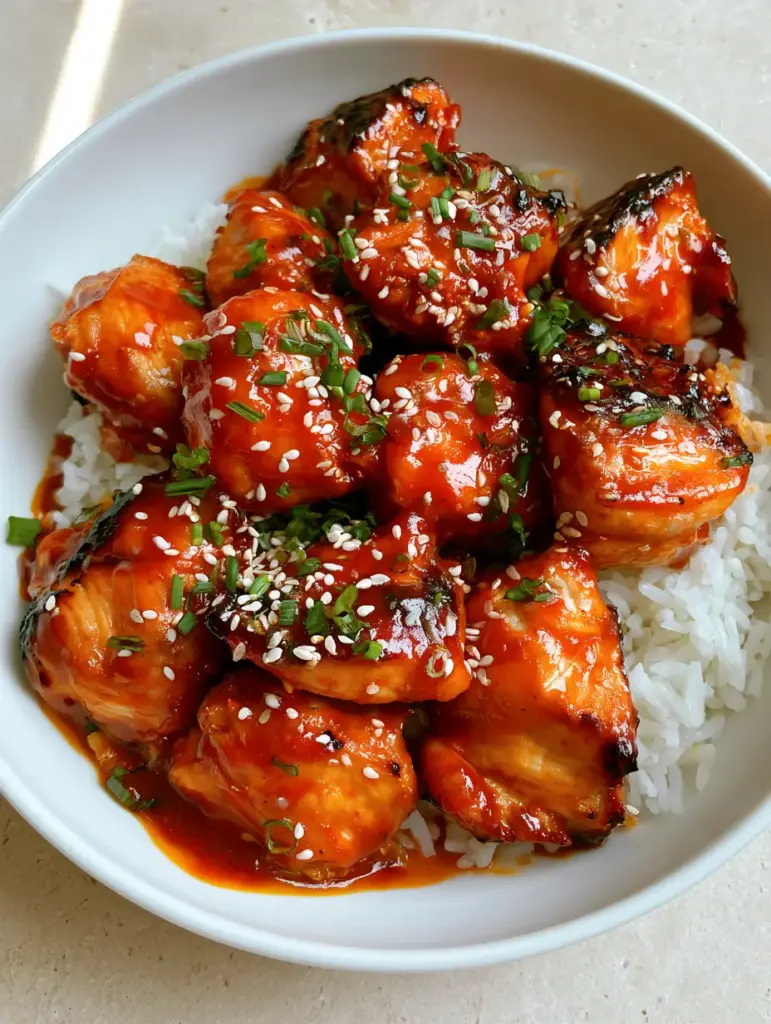
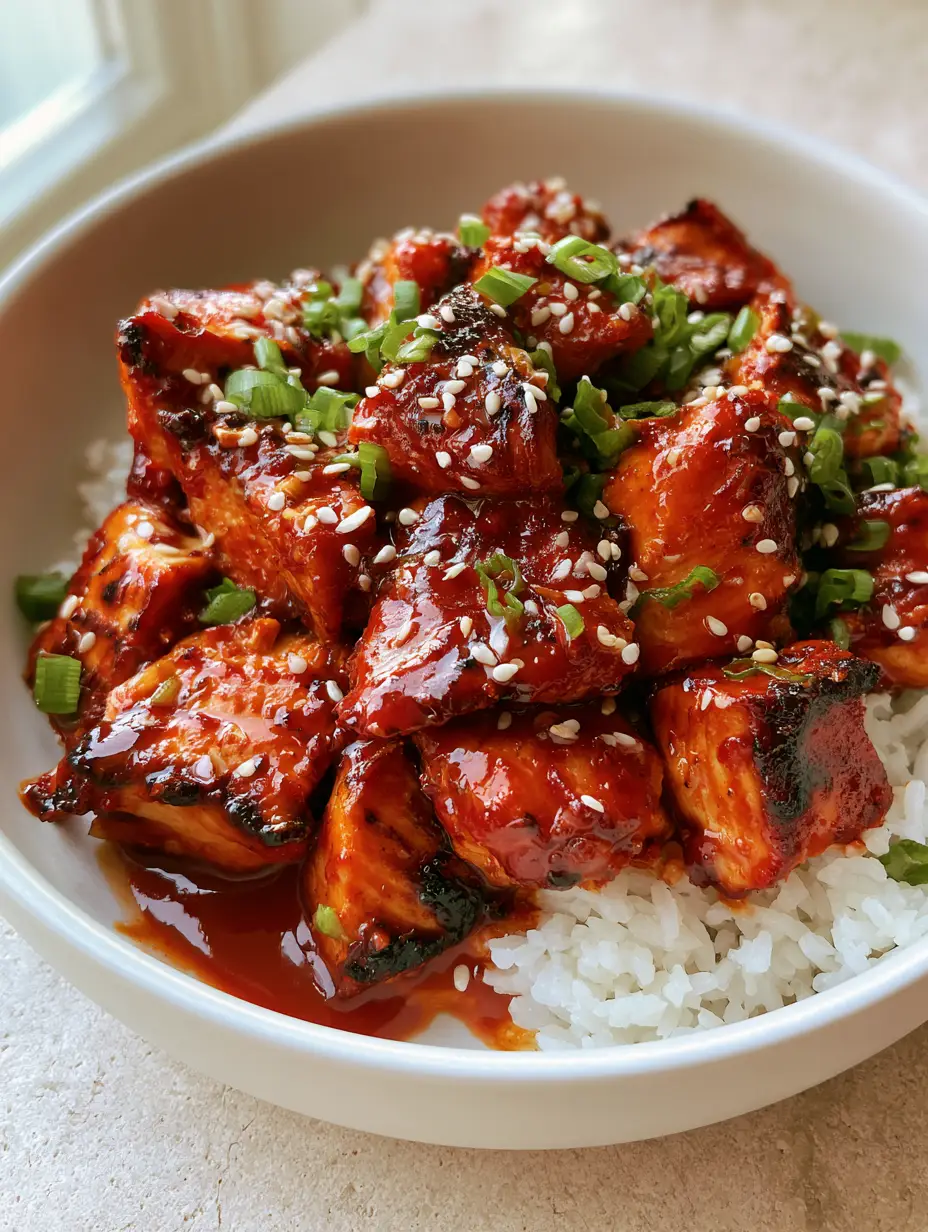
This Gochujang Chicken Recipe is the ultimate answer to your weeknight dinner cravings, delivering a perfect balance of sweet, savory, and spicy flavors in under 30 minutes. If you have been searching for a way to transform basic chicken breast into a restaurant-quality meal, these sticky gochujang chicken bites are about to become your new favorite obsession. The vibrant red-orange glaze clings to every caramelized edge, creating a visual masterpiece that looks just as good as it tastes.
Inspired by the bold flavors of Korean street food, this dish features pan-seared chicken breast with slightly charred edges, smothered in a thick, glossy sauce. Whether you are a meal prep pro or a busy home cook, this recipe is designed for maximum flavor with minimal effort. Pair it with a side of creamy rice or keep it classic with fluffy steamed jasmine rice for a complete, satisfying meal.
Why You Will Love This Vibrant Gochujang Chicken Recipe
- Explosive Flavor Profile: The combination of fermented chili paste, honey, and garlic creates a complex umami bomb.
- Perfect Textural Contrast: You get caramelized, charred chicken edges paired with a silky, thick, and sticky glaze.
- Pinterest-Ready Aesthetic: The contrast between the bright red sauce, white sesame seeds, and fresh green scallions makes this a viral-worthy dish.
- Quick & Professional: A 30-minute dinner that utilizes professional searing techniques for a high-end finish.
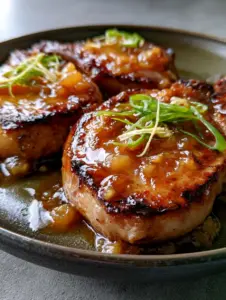
If you enjoy this bold flavor profile, you might also love my honey bbq chicken and rice for another sticky, sweet, and savory dinner option.
Essential Ingredients for the Perfect Sticky Glaze
To achieve that signature glossy gochujang coating, every ingredient serves a specific culinary purpose. We aren’t just making a sauce; we are building layers of flavor.
1. Chicken Breast (1.5 lbs / 680g): Lean protein cut into uniform 1-inch (2.5cm) bites. Cutting them evenly ensures they sear quickly without drying out. If you prefer a juicier cut, you can swap for thighs, similar to the technique used in my creamy peanut chicken.
2. Gochujang (3 tbsp / 45ml): The star of the show. This Korean fermented chili paste provides the heat, depth, and that iconic vibrant red-orange color.
3. Honey or Brown Sugar (2 tbsp / 30ml): Provides the necessary sweetness to balance the fermentation of the chili paste and helps the sauce caramelize onto the chicken.
4. Soy Sauce (1 tbsp / 15ml): Adds the foundational saltiness and deep umami notes that round out the spice.
5. Rice Vinegar (1 tsp / 5ml): A touch of acidity to cut through the richness and brighten the overall flavor profile.
6. Fresh Aromatics: Grated ginger (1 tsp) and minced garlic (3 cloves) are non-negotiable for an authentic Gochujang Chicken Recipe experience.
7. Toasted Sesame Oil (1 tsp / 5ml): Added at the end to provide a nutty aroma that complements the toasted sesame seeds.
Step-by-Step: Mastering the Char and the Glaze
Prepping for Succulent Chicken
Start by patting your 1.5 lbs (680g) of chicken breast dry with paper towels. This is a crucial professional tip; moisture is the enemy of a good sear. If the chicken is wet, it will steam rather than brown.
Season the bites lightly with 1/2 tsp (3g) of kosher salt and 1/4 tsp (1g) of black pepper. Remember, the gochujang and soy sauce contain salt, so don’t overdo it here.
Achieving the Perfect Pan-Sear
Heat 2 tablespoons (30ml) of neutral oil (like avocado or vegetable oil) in a large skillet or wok over medium-high heat. You want the oil shimmering but not smoking.
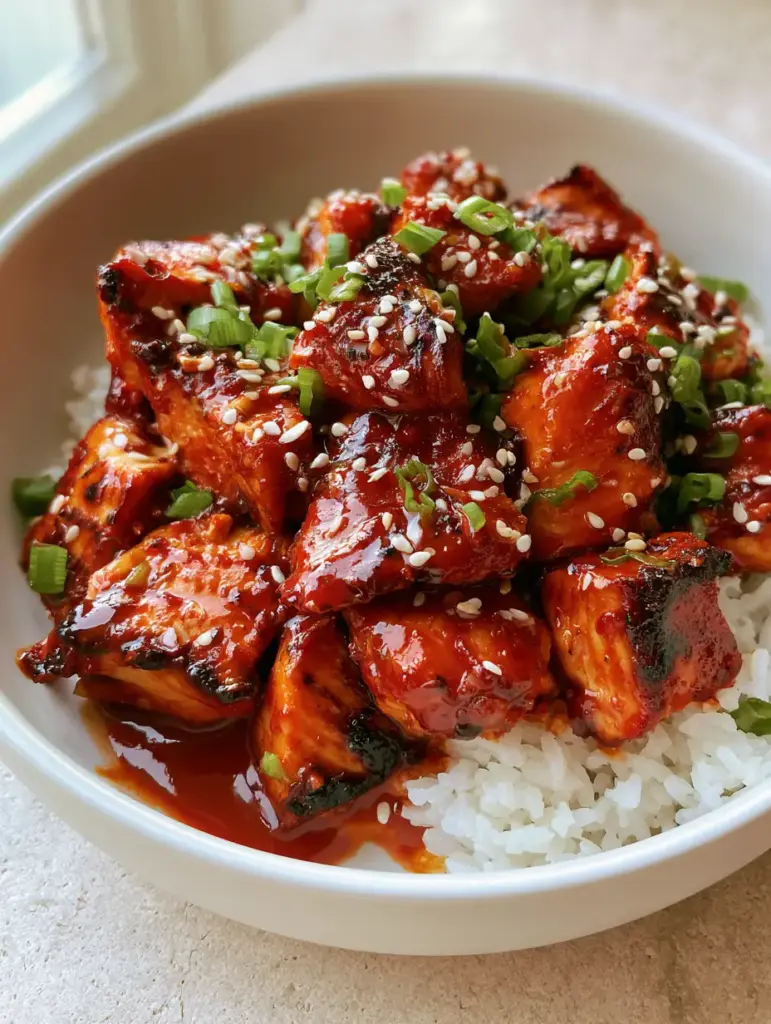
Add the chicken in a single layer. Do not crowd the pan! Let the chicken sit undisturbed for 3-4 minutes. You are looking for those slightly charred, caramelized edges mentioned in the visual blueprint. Flip and cook for another 2-3 minutes until golden all over.
Whisking the Signature Gochujang Sauce
While the chicken sears, whisk together your gochujang, honey, soy sauce, rice vinegar, garlic, and ginger in a small bowl. If the paste is too thick, add 1 tablespoon (15ml) of water to loosen it into a pourable consistency.
The Glazing Transformation
Once the chicken is cooked through, reduce the heat to medium. Pour the sauce over the chicken bites. Stir constantly for 1-2 minutes. You will see the sauce begin to bubble and thicken, turning into a thick, glossy glaze that clings to every piece of meat.
Remove from heat immediately once the sauce pools slightly at the bottom but mostly coats the chicken. Stir in the toasted sesame oil for a final fragrant finish.
Expert Tips for Success
- Don’t Overcook: Breast meat can turn tough quickly. Once the internal temp hits 165°F (74°C), remove it from the heat. For a more forgiving protein, check out my melt-in-your-mouth chicken breast tips.
- Adjust the Heat: Gochujang brands vary in spice levels. Start with 2 tablespoons if you are sensitive to heat, and work your way up.
- The “Gloss” Factor: If your sauce looks dull, add a teaspoon of butter or an extra splash of honey at the very end to give it that high-shine, Pinterest-perfect finish.
- Fresh Garnishes: Always use fresh scallions. The sharp bite of the green onion cuts through the sticky sweetness of the Gochujang Chicken Recipe.
Storage, Reheating & Freezing
To Store: Keep leftovers in an airtight container in the refrigerator for up to 4 days. The sauce actually deepens in flavor overnight!
To Reheat: Use a skillet over low heat with a splash of water to loosen the glaze. Avoid the microwave if possible, as it can make the chicken rubbery.
To Freeze: You can freeze the cooked gochujang chicken for up to 2 months. Thaw in the fridge overnight before reheating. The texture of the sauce may change slightly but the flavor will remain excellent.
What to Serve With This Gochujang Chicken Recipe
The traditional way to enjoy this is over a bed of fluffy white steamed rice, which soaks up all that extra vibrant red-orange glaze. For a lower-carb option, cauliflower rice or a crisp cucumber salad works beautifully.
If you want to create a full Asian-inspired spread, consider serving this alongside my chicken chow-mein or a bowl of homemade ramen. The saltiness of the noodles complements the spicy-sweet chicken perfectly.
Frequently Asked Questions
Absolutely! Chicken thighs are more forgiving and remain juicy even with a hard sear. Simply follow the same instructions, though they may take 1-2 minutes longer to cook through.
The secret is to pat the chicken completely dry before cooking and ensure your pan is very hot with shimmering oil. Do not move the chicken for at least 3 minutes after placing it in the pan.
It has a moderate kick, but the spice is balanced by honey and soy sauce. You can easily adjust the heat by using less gochujang paste or adding more honey.
To make this gluten-free, ensure your gochujang brand is certified gluten-free (some contain barley) and swap the soy sauce for tamari or coconut aminos.
While gochujang has a unique fermented flavor, you can substitute it with a mix of Sriracha and a touch of miso paste in a pinch, though the flavor profile will shift.
Gochujang Chicken Recipe: The Official Card
Gochujang Chicken Recipe: The Best Sticky Korean-Inspired Bites
Ingredients
Equipment
Method
- Pat chicken dry and season with salt and pepper. Heat oil in a large skillet over medium-high heat. Add chicken in a single layer and sear until caramelized and slightly charred, about 4 minutes per side.
- While chicken cooks, whisk together gochujang, honey, soy sauce, rice vinegar, garlic, and ginger in a small bowl.
- Reduce heat to medium. Pour sauce over chicken and toss to coat. Cook for 1-2 minutes until glaze is thick and glossy. Stir in sesame oil. Serve over rice and garnish heavily with sesame seeds and scallions.
Notes
Adjust gochujang amount to control the spice level to your preference.
Join the Crisp Grove Community!
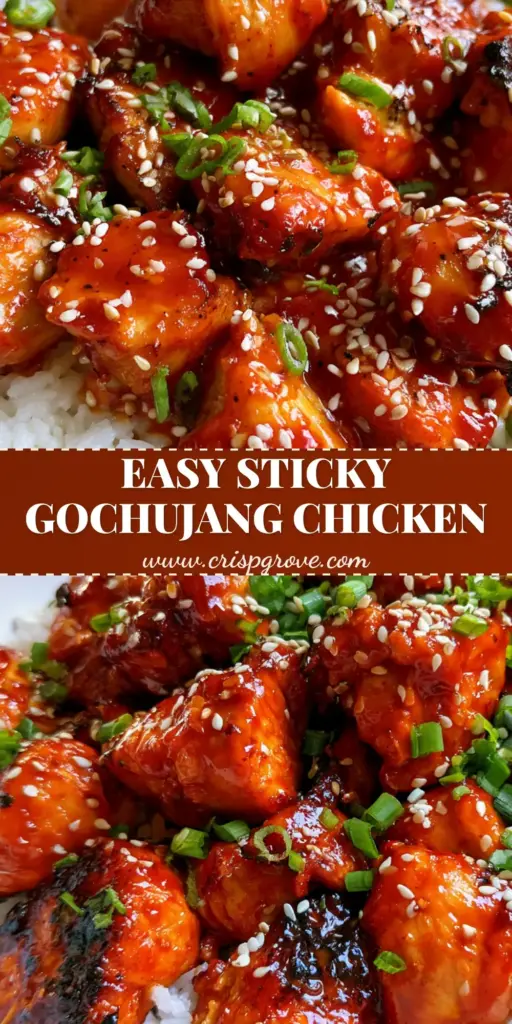
Did you make this Gochujang Chicken Recipe? I would love to see how your sticky, charred chicken bites turned out! Save this recipe to your Dinner Inspiration board on Pinterest so you never lose it.
Follow @crisp_grove for more high-flavor, easy-to-make recipes that will level up your home cooking game. If you loved this dish, please leave a 5-star rating in the recipe card above and drop a photo of your creation in the comments below. Your feedback helps other home cooks find these delicious recipes!